
Anime has grown from a distinct Japanese animation style into a worldwide cultural phenomenon. Today, it is enjoyed by millions of fans across every continent, transcending language barriers and cultural differences. What once began as a niche form of entertainment has become one of the most influential storytelling mediums in modern pop culture.
At its core, anime is more than just animation. It is a powerful blend of visual art, narrative depth, emotional expression, and creative imagination. Whether it is an epic fantasy adventure, a psychological drama, a romantic story, or a science fiction masterpiece, anime offers limitless possibilities for storytelling.
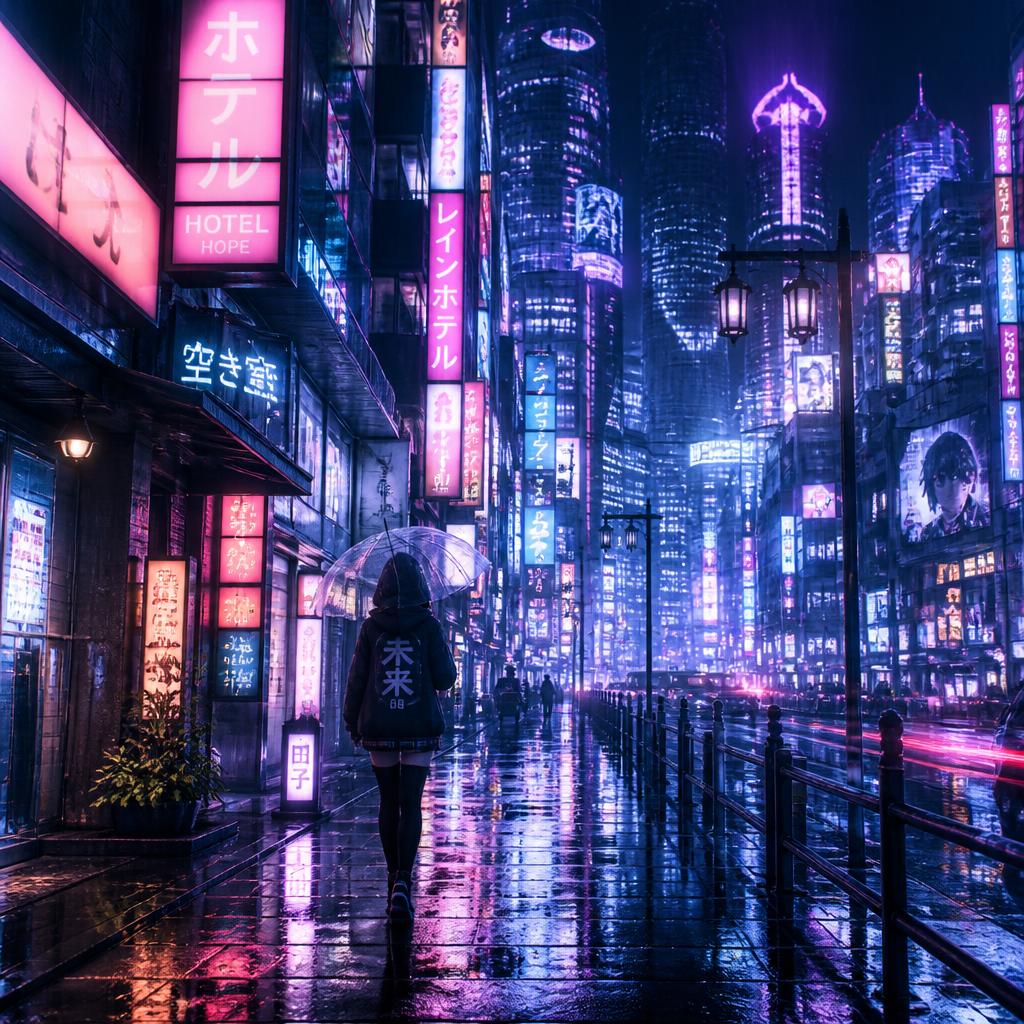
The Origins of Anime
The history of anime is closely connected to the development of Japanese animation in the early 20th century. Inspired by early Western animation techniques, Japanese artists began experimenting with hand-drawn animation styles that reflected their own cultural identity and artistic traditions.
Over time, this style evolved into a unique form of animation characterized by expressive characters, detailed storytelling, and distinctive visual aesthetics. By the late 20th century, anime had become a major industry in Japan, producing television series, films, and original video animations that attracted both domestic and international audiences.
Today, anime is a global industry with massive influence on entertainment, fashion, gaming, and digital media.
Why Anime Stands Out
One of the key reasons anime is so popular is its ability to explore complex themes in creative and visually engaging ways.
Unlike many traditional animation styles that focus primarily on children, anime targets a wide range of audiences. Some series are designed for younger viewers, while others explore mature themes such as identity, loss, morality, psychological conflict, and existential questions.
This flexibility allows anime to tell deeply emotional and intellectually engaging stories that resonate with viewers of all ages.
The Art of Visual Expression
Anime is known for its highly stylized visual design.
Characters often feature expressive facial expressions, detailed eyes, and dynamic movement that enhance emotional storytelling. Background art is frequently rich and atmospheric, creating immersive worlds that range from realistic urban settings to fantastical universes.
Color palettes, lighting effects, and animation techniques are carefully chosen to reflect mood and tone, making visual storytelling an essential part of the anime experience.
Storytelling in Anime
Storytelling is at the heart of every successful anime series or film.
Many anime narratives are structured with long-term character development, allowing viewers to form strong emotional connections with the characters. Themes such as friendship, perseverance, sacrifice, and personal growth are commonly explored.
Anime often blends genres, combining action with drama, comedy with tragedy, or science fiction with philosophy. This genre flexibility allows creators to craft unique and unpredictable stories.
Character Development and Emotional Depth
One of anime’s greatest strengths is its focus on character development.
Characters often begin their journeys as ordinary individuals facing personal challenges. Over time, they grow emotionally, mentally, and physically through experiences that shape their identities.
This long-term development allows viewers to deeply relate to characters and become emotionally invested in their journeys.
Even antagonists in anime are often given complex backstories, making them more human and multidimensional.
Popular Anime Genres
Anime covers a wide variety of genres, each offering a different experience:
- Action: Fast-paced battles, heroic journeys, and intense conflict.
- Adventure: Exploration of new worlds and epic quests.
- Fantasy: Magical realms, mythical creatures, and supernatural powers.
- Science Fiction: Futuristic technology, space exploration, and dystopian societies.
- Romance: Emotional relationships and personal connections.
- Drama: Deep emotional storytelling focused on human struggles.
- Horror: Psychological tension, fear, and suspense.
- Slice of Life: Everyday experiences and realistic character interactions.
This diversity ensures that anime appeals to a very broad audience.
The Role of Music and Sound
Music plays a crucial role in anime storytelling.
Opening and ending themes often become iconic, helping define the identity of a series. Background soundtracks enhance emotional scenes, intensify action sequences, and create atmosphere.
Sound design, including voice acting, is also extremely important. Japanese voice actors (seiyuu) are highly skilled performers who bring characters to life with emotional depth and precision.
Anime as a Cultural Bridge
Anime has become a cultural bridge between Japan and the rest of the world.
Through anime, international audiences are introduced to Japanese traditions, language, lifestyle, and values. At the same time, global fans contribute to anime culture by creating communities, fan art, conventions, and discussions.
This cultural exchange has helped anime become a truly global phenomenon.
The Influence of Anime on Global Media
Anime has had a significant impact on global entertainment.
Many Western animated films, television shows, and video games have been influenced by anime storytelling styles and visual techniques. The influence can be seen in character design, cinematic storytelling, and emotional narrative structures.
Streaming platforms have further expanded anime’s global reach, making it easier than ever for audiences to access a wide range of series and films.
The Rise of Anime Industry Worldwide
The anime industry has experienced rapid global growth in recent years.
Major studios produce high-quality films and series that are distributed internationally. At the same time, independent creators and digital platforms have made it easier for new talent to emerge.
Anime conventions and fan communities continue to grow worldwide, reflecting the strong connection between fans and the medium.
Anime and Emotional Connection
One of the most powerful aspects of anime is its emotional impact.
Many series explore deep human emotions such as love, grief, hope, fear, and determination. Viewers often develop strong emotional attachments to characters and stories, sometimes carrying these experiences with them for years.
This emotional depth is one of the reasons anime has such a dedicated and passionate global fanbase.
The Future of Anime
The future of anime is shaped by both tradition and innovation.
Modern animation technology, digital tools, and global collaboration are expanding creative possibilities. At the same time, traditional hand-drawn techniques and artistic storytelling remain highly valued.
Artificial intelligence, virtual production, and streaming platforms are likely to continue influencing how anime is created and distributed.
Despite these changes, the core essence of anime will remain the same: powerful storytelling through visual imagination and emotional depth.
Conclusion
Anime has evolved into one of the most influential storytelling mediums in the world. It combines art, narrative, emotion, and imagination in a way that resonates deeply with audiences of all ages and cultures.
From its early beginnings in Japan to its global dominance today, anime continues to inspire creativity, build communities, and tell unforgettable stories.
As long as audiences seek meaningful narratives and emotionally rich experiences, anime will remain a powerful and enduring force in global entertainment.