
Theatre is one of the oldest storytelling traditions in human history, yet it remains one of the most dynamic and adaptable forms of art today. From ancient rituals performed in open spaces to highly technical modern productions in world-class theatres, stage performance has continuously evolved while preserving its core purpose: telling human stories through live expression.
What makes theatre truly remarkable is its ability to transform with time. While the tools, techniques, and technologies have changed dramatically, the emotional connection between performers and audiences remains the same. Theatre continues to thrive because it reflects human experiences in their most immediate and authentic form.
The Origins of Theatrical Performance
The roots of theatre can be traced back to ancient civilizations where performance was closely linked to religion, mythology, and community rituals. Early societies used storytelling, dance, and music to communicate beliefs, celebrate events, and pass down cultural knowledge.
Over time, these ritualistic performances evolved into structured dramatic forms. Ancient Greek theatre, for example, introduced organized tragedies and comedies performed in large open-air amphitheaters. These performances explored themes such as fate, morality, politics, and human nature—topics that remain central to theatre today.
Other cultures developed their own theatrical traditions, each contributing unique storytelling methods, costumes, and performance styles that continue to influence modern theatre.
Theatre as a Living Tradition
Unlike recorded media, theatre exists only in the present moment.
Each performance is shaped by the interaction between actors and audience. This creates a living, breathing art form that changes slightly every time it is performed. No two shows are ever identical, even when performed by the same cast using the same script.
This unpredictability is part of what makes theatre so powerful. It allows for spontaneity, emotional variation, and real-time connection between performers and spectators.
The Role of the Playwright
At the heart of every theatrical production is the playwright.
Playwrights construct the narrative foundation of a performance by developing characters, dialogue, and dramatic structure. Their work explores universal themes such as love, conflict, ambition, betrayal, justice, and identity.
A strong play provides not only entertainment but also insight into human behavior and society. Many classic plays remain relevant today because they address timeless questions about life and relationships.
Directors as Creative Interpreters
The director plays a crucial role in shaping how a play is experienced on stage.
While the playwright provides the text, the director interprets its meaning and transforms it into a visual and emotional experience. This includes guiding actors, designing movement patterns, selecting visual styles, and collaborating with technical teams.
A director’s vision determines the tone, pacing, and emotional impact of the production, making them one of the most influential figures in theatre.
Acting: Discipline and Expression
Stage acting requires a unique combination of discipline, skill, and emotional depth.
Unlike film acting, theatre performers must deliver complete, uninterrupted performances in front of a live audience. There are no retakes or editing opportunities. Every gesture, pause, and line must be executed with precision and consistency.
Actors must also project their voices and emotions to reach every audience member while maintaining authenticity. This balance between technical control and emotional truth defines great stage performance.
Stage Design and Visual Storytelling
The stage is not just a background—it is an essential part of the storytelling process.
Set designers create environments that reflect the world of the play, whether realistic, symbolic, or abstract. Lighting designers shape mood and focus attention, while costume designers express character identity and social context.
Sound design adds depth and atmosphere, helping to immerse the audience in the performance. Together, these elements transform a simple stage into a fully realized world.
The Importance of Rehearsal
Rehearsals are where theatre truly comes to life.
During this process, actors develop chemistry, refine their performances, and explore different interpretations of their characters. Directors adjust staging, pacing, and emotional tone, while technical teams coordinate lighting, sound, and set changes.
Rehearsals are essential for ensuring that every element of the production works harmoniously during live performance.
Musical Theatre and Artistic Fusion
Musical theatre represents one of the most dynamic forms of stage performance.
It combines acting, singing, dancing, and orchestral music to create a multi-layered storytelling experience. Songs often express emotions that dialogue alone cannot capture, while choreography adds movement and energy to the narrative.
Musicals appeal to wide audiences because they merge emotional storytelling with entertainment and spectacle.
Theatre as Cultural Expression
Theatre reflects the values, traditions, and concerns of the society in which it is created.
Different cultures have developed distinct theatrical styles that express their unique identities. These traditions preserve historical memory while also evolving with contemporary influences.
Modern theatre often blends traditional forms with new techniques, creating productions that are both culturally rooted and globally relevant.
Theatre in Education and Society
Theatre plays an important role beyond entertainment.
It is widely used in education to develop communication skills, creativity, empathy, and confidence. Students involved in theatre learn how to express ideas clearly and collaborate effectively.
Theatre also serves as a tool for social commentary, encouraging audiences to think critically about issues such as inequality, politics, identity, and human behavior.
Technology and Modern Theatre
While theatre is a traditional art form, it continues to evolve with technological innovation.
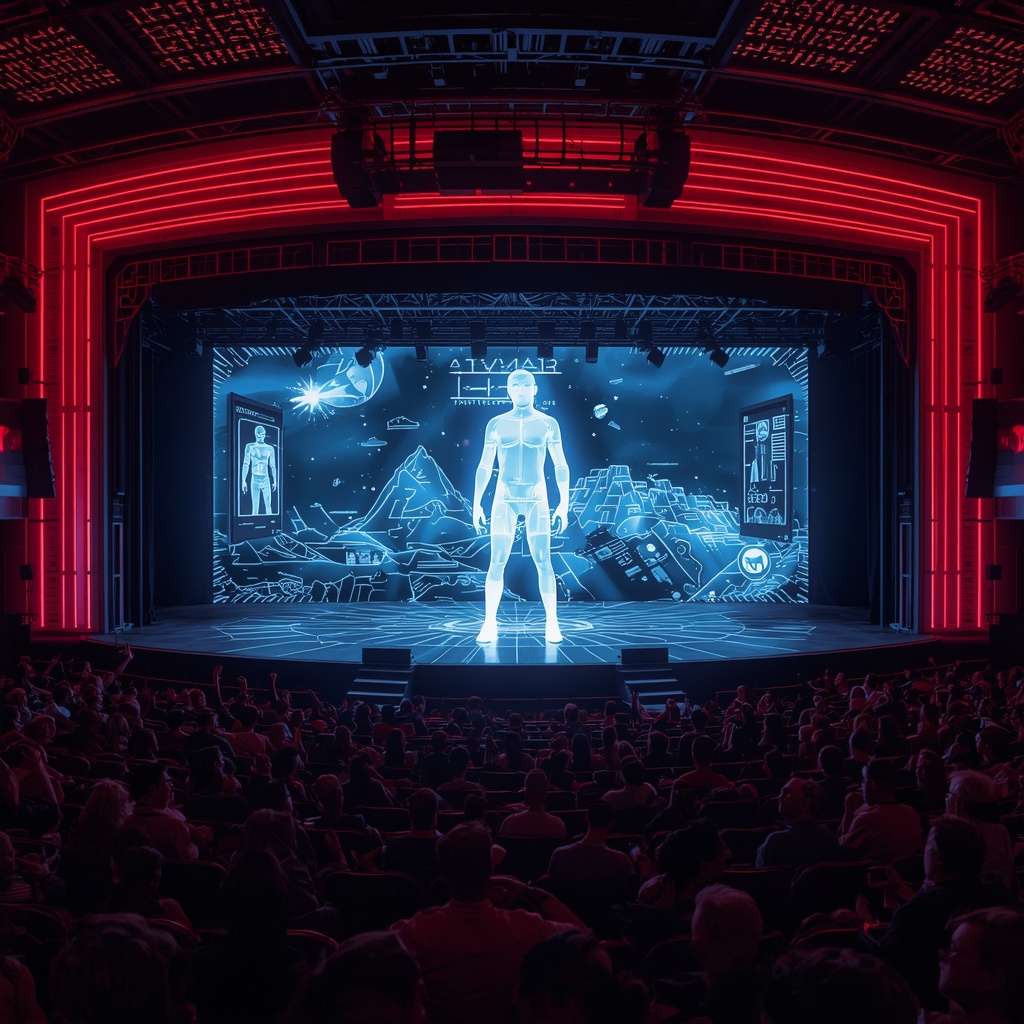
Modern productions often incorporate advanced lighting systems, digital projections, automated stage mechanisms, and immersive sound design. These tools enhance storytelling without replacing the human element at the core of theatre.
Some experimental performances also integrate multimedia elements to create interactive experiences for audiences.
The Future of Theatre
The future of theatre depends on its ability to adapt while preserving its essence.
Contemporary playwrights are exploring new themes that reflect modern life, while directors experiment with innovative staging techniques. Digital platforms are also expanding access to performances, allowing global audiences to experience theatre remotely.
However, the live, shared experience will always remain the defining feature of theatre.
Conclusion
Theatre has survived for thousands of years because it speaks directly to the human experience. It is an art form that evolves with time while maintaining its emotional core: live storytelling shared between performers and audiences.
From ancient rituals to modern experimental performances, theatre continues to inspire, educate, and connect people across cultures and generations. As long as humanity values authentic expression and shared emotional experiences, theatre will remain a vital part of global culture.