
Anime has undergone one of the most remarkable transformations in modern entertainment history. What began as a small-scale animation style in Japan has grown into a global storytelling powerhouse that influences film, television, gaming, fashion, and internet culture. Today, anime is not just a genre—it is a worldwide language of creativity, emotion, and imagination.
The evolution of anime reflects both technological progress and artistic ambition. From hand-drawn cel animation to fully digital production pipelines, anime continues to reinvent itself while preserving the emotional depth and visual identity that make it unique.
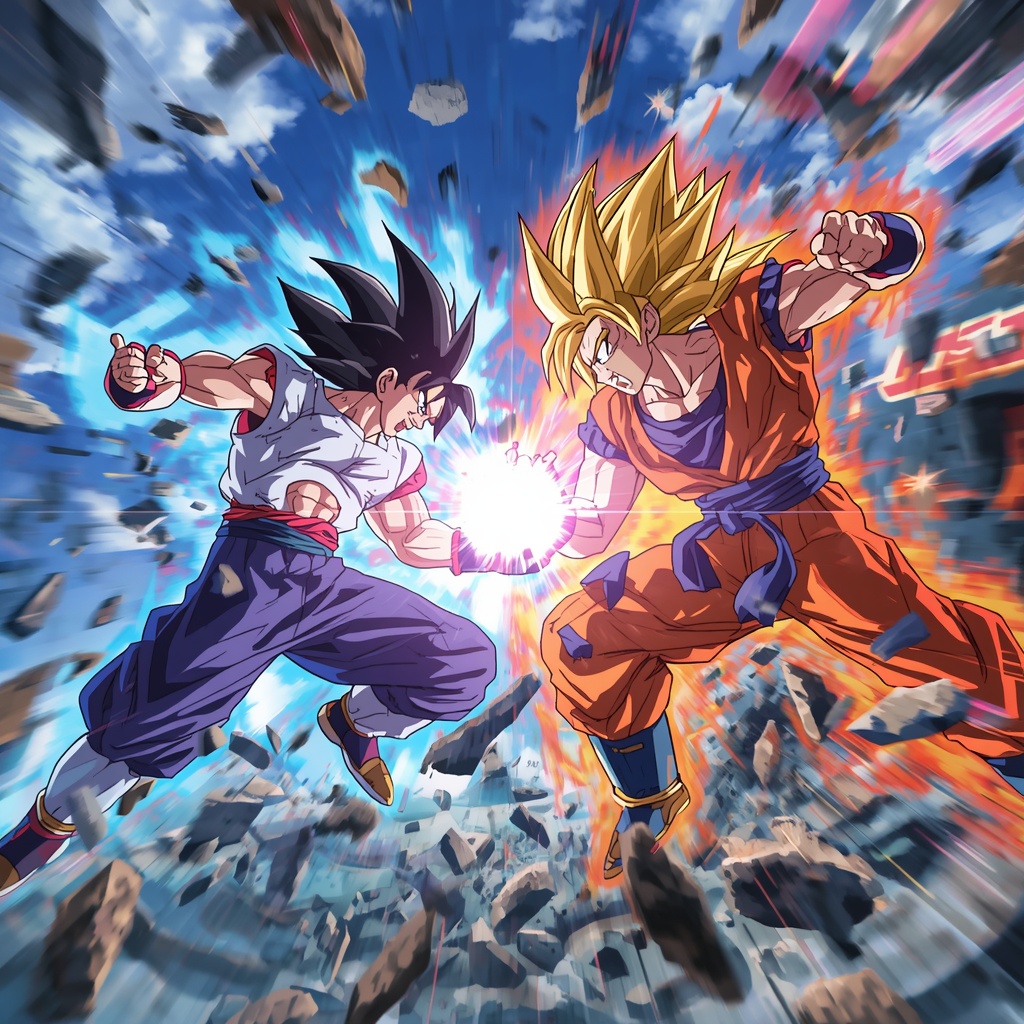
The Early Foundations of Anime
The origins of anime can be traced back to the early 20th century, when Japanese artists began experimenting with animation techniques inspired by Western cartoons. These early works were short, simple, and often experimental, but they laid the foundation for a new artistic movement.
After World War II, anime began to develop its own identity. Japanese creators started producing longer narrative-driven animations that focused on storytelling, character development, and emotional depth. This period marked the beginning of anime as a distinct cultural form rather than just an animation technique.
Over time, studios refined their artistic style, introducing expressive character designs, detailed backgrounds, and cinematic storytelling techniques that set anime apart from other animation industries.
The Rise of Television Anime
One of the most significant turning points in anime history was the rise of television broadcasting.
Serialized anime shows allowed creators to tell long-form stories that developed over multiple episodes. This format enabled deeper character development and more complex narratives, making anime increasingly popular among audiences of all ages.
Television anime also introduced iconic genres such as mecha, fantasy epics, and slice-of-life storytelling. These genres became essential pillars of the anime industry and continue to influence modern productions.
Anime as a Storytelling Medium
Anime is known for its ability to tell emotionally rich and conceptually complex stories.
Unlike many traditional animation styles, anime often explores serious themes such as identity, morality, loss, ambition, and existential meaning. It blends entertainment with philosophical reflection, allowing audiences to engage with stories on multiple levels.
This narrative flexibility allows anime creators to experiment with tone, structure, and genre in ways that are rarely seen in other media.
Visual Identity and Artistic Style
One of the most recognizable aspects of anime is its distinctive visual style.
Characters are often designed with expressive eyes, detailed facial emotions, and stylized proportions that enhance storytelling. Background art is frequently rich and atmospheric, creating immersive worlds that feel both realistic and imaginative.
Color usage, lighting effects, and animation timing all contribute to emotional storytelling. Even subtle visual changes can communicate mood shifts or character development.
This strong visual identity is one of the key reasons anime stands out globally.
The Role of Animation Studios
Anime production is a highly collaborative process involving numerous specialists.
Animation studios bring together directors, writers, character designers, background artists, animators, and sound engineers. Each team contributes to different stages of production, ensuring that every frame supports the overall narrative.
Well-known studios have developed unique artistic identities, influencing how audiences perceive style, quality, and storytelling approach.
The Importance of Character-Driven Stories
At the heart of anime lies strong character development.
Many anime series focus on long-term emotional journeys, allowing viewers to witness characters grow over time. These characters often face personal challenges, moral dilemmas, and emotional transformations that make them relatable and memorable.
Even supporting characters are often given detailed backstories, adding depth and complexity to the overall narrative.
This focus on character-driven storytelling is one of the main reasons anime builds such strong emotional connections with audiences.
Genre Diversity in Anime
Anime covers an extremely wide range of genres, making it accessible to nearly every type of viewer.
- Action series deliver intense battles and high-energy storytelling.
- Fantasy anime explores magical worlds and supernatural abilities.
- Science fiction examines futuristic societies and technological themes.
- Romance stories focus on emotional relationships and personal growth.
- Horror anime creates psychological tension and suspense.
- Slice-of-life series depict everyday experiences with emotional realism.
Many anime productions combine multiple genres, creating unique hybrid storytelling styles.
Music and Emotional Impact
Music plays a vital role in shaping the emotional tone of anime.
Opening and ending themes are often carefully selected to reflect the identity of a series. Background soundtracks enhance emotional scenes, build tension, or highlight moments of triumph.
Voice acting is also essential. Skilled performers bring characters to life through tone, emotion, and personality, making the viewing experience more immersive and impactful.
Anime and Global Popularity
Anime has become a global phenomenon, reaching audiences far beyond Japan.
Streaming platforms have played a major role in this expansion, making anime easily accessible worldwide. Fans from different cultures engage with anime through online communities, conventions, fan art, and discussions.
This global interaction has transformed anime into a shared cultural experience that transcends national boundaries.
Technological Advancements in Anime Production
Modern anime production relies heavily on digital tools.
Hand-drawn animation is now often combined with digital coloring, CGI effects, and advanced compositing techniques. These technologies allow studios to produce higher-quality visuals more efficiently.
Artificial intelligence and automation tools are beginning to assist in certain production tasks, although human creativity remains central to the process.
Despite technological changes, the artistic core of anime continues to rely on human imagination and storytelling.
The Influence of Anime on Global Culture
Anime has had a major impact on global entertainment industries.
Its influence can be seen in Western animation, video games, fashion design, music videos, and internet culture. Many creators outside Japan draw inspiration from anime’s storytelling techniques and visual style.
This cultural exchange has helped anime become one of the most influential artistic movements of the modern era.
The Future of Anime
The future of anime is shaped by innovation and global collaboration.
As technology continues to evolve, new storytelling possibilities are emerging. Virtual production, interactive narratives, and immersive viewing experiences may redefine how anime is created and consumed.
At the same time, traditional animation techniques and hand-drawn artistry remain highly valued, ensuring a balance between innovation and tradition.
Conclusion
Anime has evolved from a local animation style into a global storytelling phenomenon. Its success is built on powerful narratives, emotional depth, artistic innovation, and cultural connection.
As it continues to grow and adapt, anime will remain a major force in global entertainment, inspiring new generations of creators and audiences around the world.
The journey of anime is far from over—it is still being written with every new series, every new film, and every new idea brought to life on screen.