
Theatre remains one of the most meaningful forms of artistic expression in the modern world. Even in an age dominated by digital entertainment, streaming platforms, and cinematic universes, live performance continues to hold a unique place in human culture. It is not simply entertainment; it is a reflection of society, a space for dialogue, and a powerful tool for exploring identity and emotion.
Theatre survives because it speaks directly to people. It does not hide behind screens or editing—it unfolds in real time, with real human presence, in front of a live audience. This directness gives theatre a depth and authenticity that continues to resonate with audiences around the world.
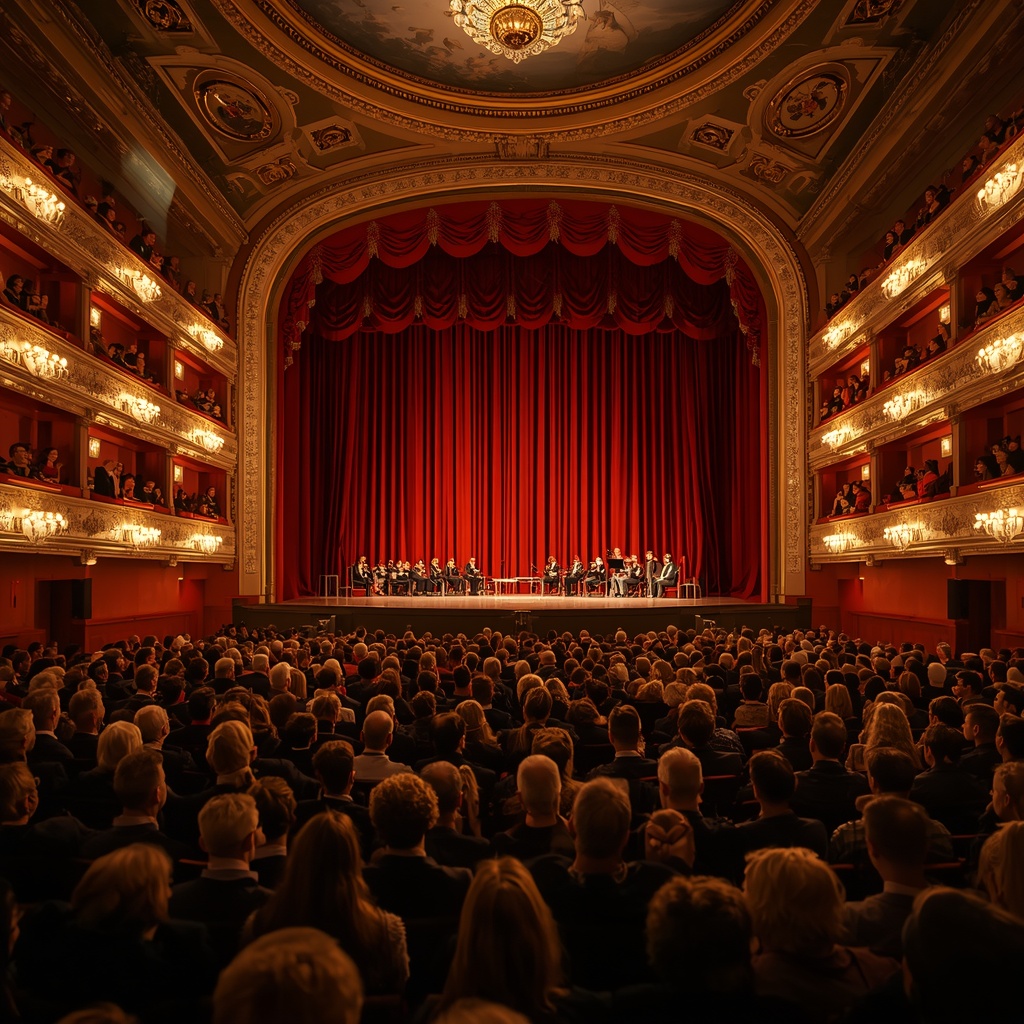
Theatre as a Mirror of Society
One of the most important roles of theatre is its ability to reflect society. Throughout history, playwrights have used the stage to comment on political systems, social behavior, cultural traditions, and human relationships.
From classical tragedies to modern experimental plays, theatre has always been a platform for examining human nature. It allows audiences to see their own world represented in stories that challenge, question, and inspire reflection.
By presenting familiar issues in dramatic form, theatre encourages people to think critically about their own beliefs and the world around them.
The Power of Human Presence
Unlike film or television, theatre depends entirely on live human presence. Actors perform in front of an audience without the safety net of retakes or editing. This creates a level of vulnerability and authenticity that is central to the theatrical experience.
The audience also plays an active role. Their reactions—laughter, silence, applause—become part of the performance itself. This interaction between performers and spectators creates a shared emotional space that is constantly evolving.
In this way, theatre becomes a living conversation between stage and audience.
Acting as Emotional Communication
Stage acting is one of the most demanding forms of performance art.
Actors must fully embody their characters while maintaining consistency throughout the entire performance. They rely on voice control, physical expression, timing, and emotional awareness to communicate meaning effectively.
Because there are no second takes, every performance requires focus and discipline. This intensity often leads to deeply powerful and emotionally honest performances that leave a lasting impact on audiences.
The Role of Direction in Theatre
The director is responsible for shaping the artistic vision of a production.
They interpret the script and guide every aspect of the performance, from acting style to stage movement and visual design. Directors collaborate closely with actors, designers, and technicians to ensure that all elements work together to support the story.
A strong directorial vision can transform a simple script into a compelling and unforgettable theatrical experience.
Stage Design and Atmosphere
Stage design plays a crucial role in bringing a theatrical production to life.
Set designers create physical environments that represent the world of the play, whether realistic or symbolic. Lighting designers shape mood and focus attention, while costume designers communicate character identity through visual style.
Sound design adds another layer of depth, enhancing emotional impact and creating immersive environments. Together, these elements transform an empty stage into a fully realized world.
Theatre and Emotional Impact
Theatre has a unique ability to evoke strong emotional responses.
Because it happens live, audiences experience emotions in real time alongside the performers. Moments of tension, joy, sadness, or surprise are shared collectively, creating a sense of emotional unity.
This shared emotional experience is one of the reasons theatre remains so powerful even in a digital age.
Theatre as Cultural Identity
Theatre is deeply connected to cultural identity.
Different regions of the world have developed their own theatrical traditions, each reflecting local customs, values, and storytelling styles. These traditions preserve cultural heritage while also allowing for creative innovation.
Modern theatre often blends traditional and contemporary elements, creating productions that are both culturally rooted and globally relevant.
Education Through Performance
Theatre is widely used in education as a tool for learning and development.
Students involved in theatre gain confidence, communication skills, teamwork abilities, and emotional intelligence. They learn how to express ideas clearly and collaborate with others toward a shared creative goal.
Watching theatre also helps audiences develop empathy and critical thinking by engaging with complex characters and situations.
Community Theatre and Participation
Community theatre plays an essential role in making performance art accessible.
It provides opportunities for people of all ages and backgrounds to participate in creative expression, whether as actors, writers, or behind-the-scenes contributors. These local productions help strengthen communities and encourage artistic growth.
Many professional performers begin their journeys in community theatre before moving into larger stages.
Modern Theatre and Technology
Although theatre is rooted in tradition, it continues to evolve with modern technology.
Lighting systems, digital projections, advanced sound design, and automated stage equipment allow for more dynamic and visually engaging productions. Some performances also incorporate multimedia and interactive elements to enhance audience engagement.
Despite these innovations, the essence of theatre remains unchanged: live storytelling shared in real time.
The Global Future of Theatre
Theatre continues to adapt to a changing world.
Contemporary playwrights explore modern social issues, directors experiment with new styles, and international collaborations bring diverse voices to the stage. Digital platforms also allow performances to reach wider audiences beyond physical theatres.
However, the live experience remains irreplaceable.
Why Theatre Still Matters
Theatre continues to matter because it represents one of the purest forms of human connection.
It brings people together in a shared space to experience stories as they unfold. It encourages empathy, reflection, and emotional engagement in a way that few other art forms can replicate.
In a world increasingly dominated by digital experiences, theatre remains a reminder of the power of presence.
Conclusion
Theatre is more than performance—it is a living art form that celebrates human expression, creativity, and connection. It has survived for centuries because it continues to evolve while preserving its core identity.
As long as people value real emotional experiences and shared storytelling, theatre will remain an essential part of global culture, inspiring audiences and performers alike for generations to come.