
Theatre is one of the most enduring and expressive forms of human storytelling. Long before the invention of cinema or television, people gathered in open spaces, amphitheaters, and dedicated performance halls to watch stories unfold in real time. Today, even in a world dominated by digital entertainment, theatre continues to thrive as a powerful art form that connects people through shared emotion and live performance.
What makes theatre unique is its immediacy. Every performance happens in the present moment, and once it is over, it exists only in memory. This fleeting nature gives theatre a sense of authenticity and emotional intensity that cannot be replicated by recorded media.
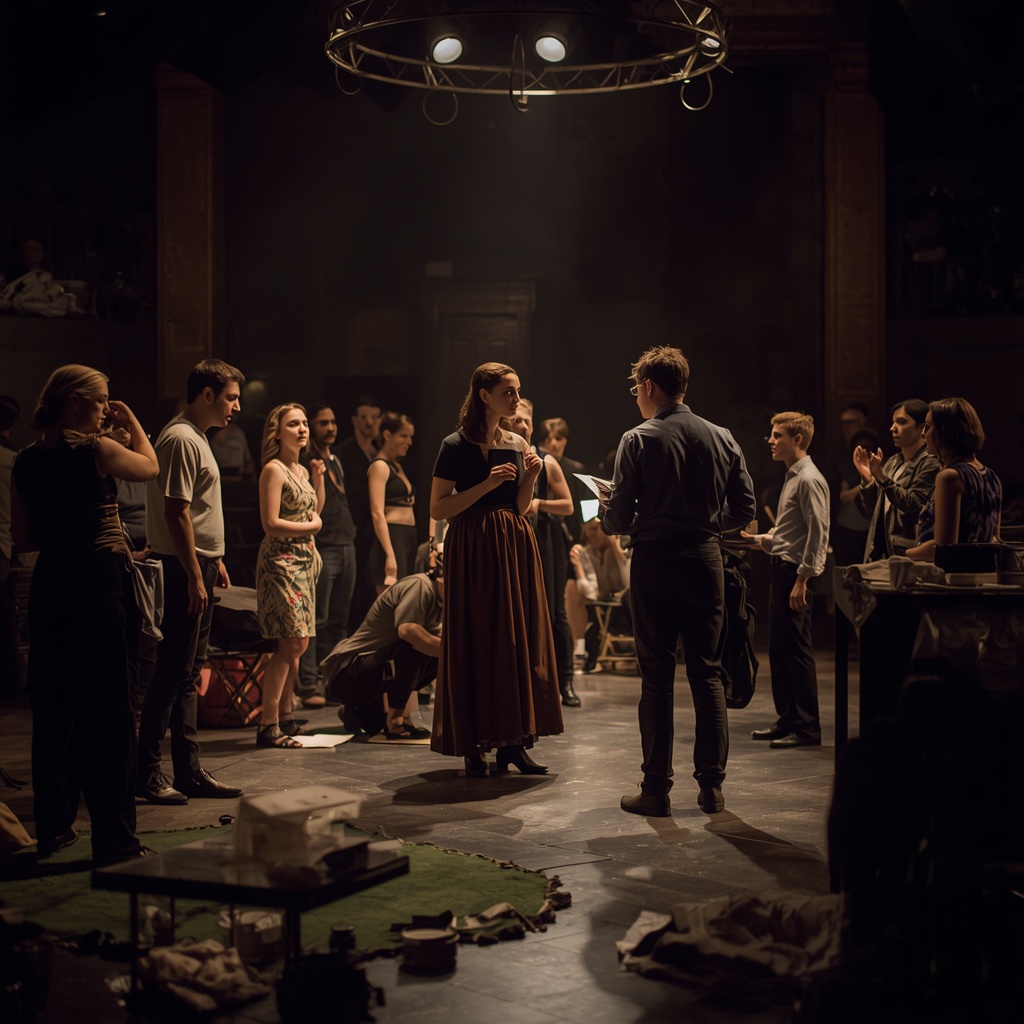
The Ancient Roots of Theatre
The origins of theatre can be traced back to ancient civilizations where storytelling was deeply connected to cultural rituals, celebrations, and religious ceremonies. Over time, these performances evolved into structured dramatic works that explored human behavior, mythology, morality, and social life.
Different cultures developed their own theatrical traditions, each contributing unique styles of performance. From classical tragedies and comedies to traditional folk theatre and ritualistic performances, these early forms laid the foundation for modern stage arts.
Theatre as a Living Story
Unlike films or television series, theatre is a living art form that unfolds in real time before an audience.
Actors perform directly in front of spectators without the possibility of editing or retakes. This creates a powerful sense of presence and authenticity. Every gesture, pause, and line delivery becomes part of a shared experience between performers and viewers.
The unpredictability of live performance makes theatre dynamic and exciting, as even small variations in energy or timing can influence the emotional tone of a scene.
The Role of the Playwright
At the core of every theatrical production is the playwright.
Playwrights design the structure of the story, develop characters, and write dialogue that captures human emotion and conflict. Their work provides the foundation upon which directors, actors, and designers build the final performance.
Great plays often explore timeless themes such as love, power, identity, justice, betrayal, and hope. These themes allow theatre to remain relevant across different eras and cultures.
Directors as Creative Architects
The director is responsible for shaping the overall vision of a theatrical production.
They interpret the script and guide actors in developing their performances. They also collaborate with designers, choreographers, and technical teams to ensure that every visual and emotional element aligns with the story’s intent.
A director’s vision influences stage movement, pacing, atmosphere, and the emotional journey of the audience.
Acting in Theatre: Discipline and Emotion
Stage acting requires a unique combination of discipline, creativity, and emotional depth.
Unlike film actors who can rely on multiple takes and editing, theatre actors must deliver consistent performances from beginning to end in front of a live audience. This demands strong memory skills, vocal projection, physical awareness, and the ability to remain fully present in every moment.
The direct interaction between actors and audiences creates a powerful emotional connection that is central to the theatrical experience.
Stage Design and Visual Storytelling
The stage serves as the visual world of the performance.
Set designers create environments that reflect the story’s setting, whether realistic or abstract. Costume designers express character identity through clothing that reflects personality, social status, and historical context. Lighting designers shape mood and focus attention, while sound designers enhance atmosphere through carefully crafted audio effects.
Together, these elements transform an empty stage into a fully realized world.
Musical Theatre and Performance Integration
Musical theatre combines acting, singing, and dancing into a unified storytelling experience.
Songs are often used to express emotions that are too complex for spoken dialogue alone. Choreography adds movement and rhythm, enhancing the emotional impact of key scenes.
Musicals appeal to a wide audience because they blend narrative and music in a way that feels both entertaining and emotionally powerful.
Theatre as Social Reflection
Theatre has always reflected the values and concerns of society.
Playwrights use the stage to explore important issues such as politics, family dynamics, inequality, personal identity, and moral conflict. Through storytelling, theatre encourages audiences to think critically and engage with different perspectives.
Because of this, theatre often serves as both entertainment and social commentary.
The Educational Power of Theatre
Theatre plays an important role in education and personal development.
Students involved in theatre learn communication skills, teamwork, confidence, creativity, and empathy. They also develop discipline through rehearsals and learn how to collaborate toward a shared artistic goal.
Watching live performances helps audiences improve their ability to interpret symbolism, understand narrative structure, and appreciate artistic expression.
Community Theatre and Accessibility
Community theatre provides opportunities for people of all ages and backgrounds to participate in the performing arts.
These local productions help preserve cultural traditions while encouraging creativity and collaboration. They also serve as a gateway for aspiring performers who wish to pursue professional careers in theatre or related fields.
Community theatre strengthens social bonds by bringing people together through shared artistic experiences.
Modern Technology on Stage
While theatre is a traditional art form, it continues to evolve with technology.
Modern productions often incorporate advanced lighting systems, digital projections, automated stage mechanisms, and immersive sound design. These innovations enhance storytelling while preserving the essential human connection between performers and audiences.
Some experimental productions also integrate multimedia and interactive elements to create new forms of live performance.
The Global Future of Theatre
Theatre continues to adapt to changing cultural and technological landscapes.
Contemporary playwrights explore modern issues, directors experiment with new staging techniques, and international collaborations introduce diverse artistic perspectives. Digital platforms also allow selected performances to reach global audiences, expanding the reach of live theatre beyond physical venues.
Despite these developments, the core essence of theatre remains unchanged: live storytelling shared between people in real time.
Why Theatre Still Matters
Theatre remains important because it offers something that no other medium can fully replicate: direct human connection.
Audiences and performers share the same space, experiencing emotions together as the story unfolds. This shared experience creates a sense of unity, empathy, and presence that is deeply meaningful.
In an increasingly digital world, theatre reminds us of the value of real human interaction.
Conclusion
Theatre continues to stand as one of the most powerful forms of artistic expression. It brings together writing, performance, design, music, and imagination to create unforgettable live experiences.
From ancient traditions to modern experimental productions, theatre has always evolved while preserving its core identity. It entertains, educates, and inspires audiences by telling stories that reflect the complexity of human life.
As long as people seek authentic emotional experiences and shared moments of storytelling, theatre will remain a vital and enduring part of global culture.