
Theatre has been an essential part of human civilization for thousands of years. It is one of the oldest forms of artistic expression, bringing stories to life through live performances that connect actors and audiences in a shared experience. While modern entertainment has expanded through cinema, television, and digital streaming, theatre continues to hold a special place in the cultural world because of its authenticity, creativity, and emotional impact.
Every theatrical production is unique. No two performances are exactly alike, even when the same play is presented by the same cast. The energy of the audience, the interpretation of the actors, and the atmosphere inside the theatre create an experience that cannot be duplicated. This sense of immediacy is what makes theatre one of the most exciting and meaningful forms of entertainment.
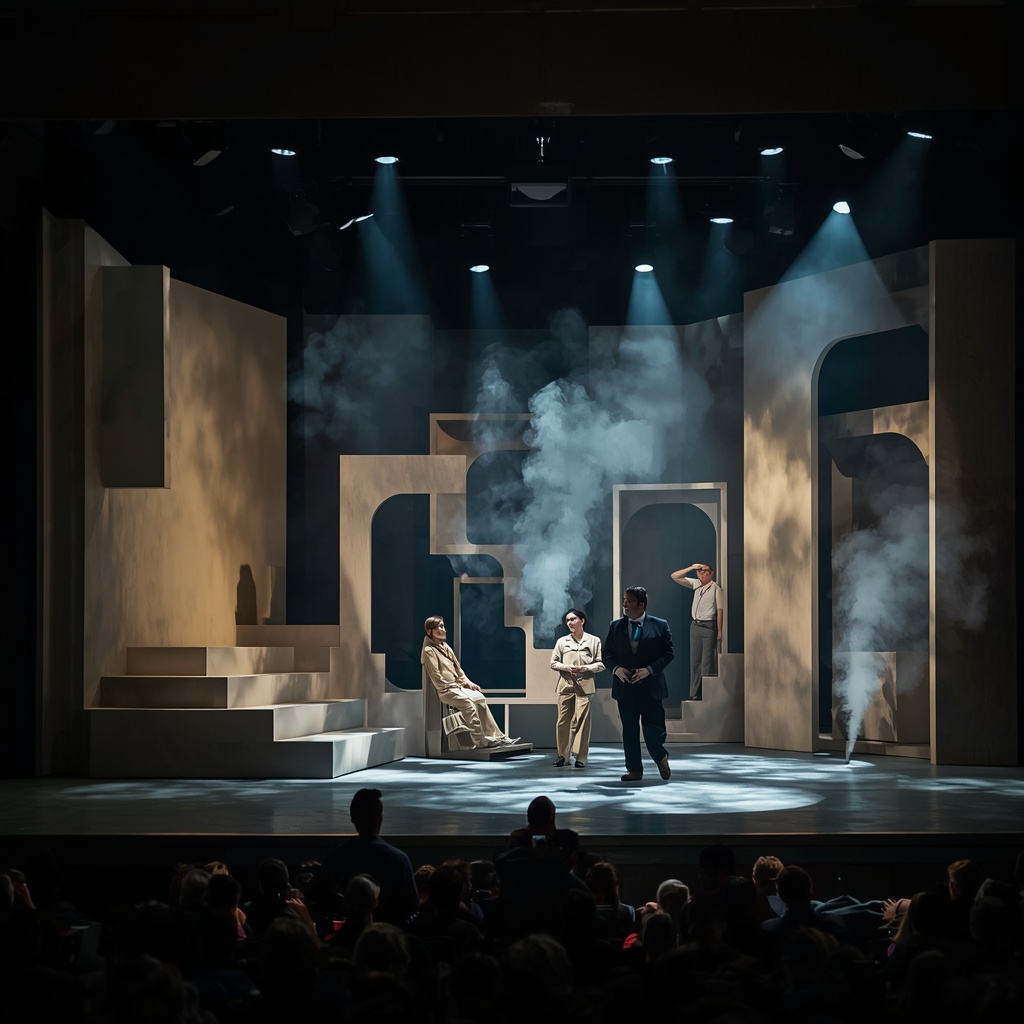
A Rich History of Live Performance
The origins of theatre can be traced back to ancient civilizations, where dramatic performances were closely connected to religious ceremonies, public celebrations, and community gatherings. Over time, theatre developed into a sophisticated art form that explored history, mythology, politics, philosophy, and everyday life.
As different cultures embraced theatrical traditions, they introduced their own styles of storytelling, music, costumes, and stage design. These traditions helped shape the diverse theatrical landscape that exists today, from classical drama and Shakespearean plays to contemporary productions and experimental performances.
Storytelling Beyond Words
One of the greatest strengths of theatre is its ability to communicate through much more than dialogue.
Actors express emotion through facial expressions, body language, movement, and silence. Lighting creates mood, music enhances atmosphere, and stage design establishes the world in which the story unfolds. Together, these artistic elements create a complete theatrical experience that engages both the imagination and the emotions.
Unlike recorded media, theatre unfolds in real time, allowing audiences to witness every dramatic moment as it happens.
The Role of Playwrights
Every successful theatrical production begins with a playwright.
Playwrights create stories that entertain while exploring themes that resonate across generations. They develop memorable characters, meaningful dialogue, and dramatic conflicts that encourage audiences to think, feel, and reflect.
Some plays are inspired by historical events, while others focus on contemporary social issues or fictional narratives. Regardless of subject matter, strong writing remains the foundation of exceptional theatre.
Directors Bring the Vision to Life
The director plays a central role in transforming a script into a live performance.
Working with actors and the creative team, directors make artistic decisions about staging, pacing, character interpretation, and visual presentation. They ensure that every aspect of the production contributes to the overall message of the play.
A director’s creative vision helps shape the audience’s emotional journey from the opening scene to the final curtain.
The Skill and Dedication of Actors
Stage actors face unique challenges compared to performers in film or television.
Every performance is presented live without the opportunity for multiple takes or digital editing. Actors must memorize extensive dialogue, maintain concentration for the entire production, and respond naturally to unexpected situations.
Their ability to remain fully engaged while performing before a live audience demonstrates extraordinary discipline and professionalism.
The relationship between actors and spectators creates a powerful emotional connection that defines the theatrical experience.
Stage Design and Visual Storytelling
The physical environment of a stage helps transport audiences into the world of the play.
Scenic designers build settings that support the story, while costume designers create clothing that reflects character personalities, historical periods, and cultural traditions. Lighting designers establish atmosphere through color, intensity, and movement, and sound designers enhance realism with carefully crafted audio effects.
Every visual detail contributes to the audience’s understanding of the narrative.
Musicals: A Unique Form of Theatre
Musical theatre combines acting, singing, dancing, and orchestral music into a dynamic form of storytelling.
Songs often reveal characters’ emotions more deeply than spoken dialogue, while choreography adds energy and visual excitement. From lighthearted comedies to dramatic productions, musicals continue to attract audiences of all ages through memorable performances and unforgettable melodies.
Musical theatre remains one of the most popular and commercially successful forms of live entertainment.
Theatre as a Cultural Mirror
Throughout history, theatre has reflected the values, beliefs, and concerns of society.
Playwrights often use the stage to examine important topics such as justice, equality, family relationships, leadership, education, and personal identity. By presenting these issues through compelling stories, theatre encourages audiences to consider different perspectives and engage in meaningful discussion.
Many classic plays remain relevant because the emotions and challenges they explore continue to resonate with modern audiences.
Education Through Theatre
Theatre is also an important educational resource.
Students who participate in school or community theatre develop communication skills, confidence, creativity, teamwork, and public speaking abilities. They learn discipline through rehearsals and gain valuable experience working toward shared artistic goals.
Watching theatrical productions also strengthens critical thinking by encouraging audiences to interpret symbolism, analyze character development, and understand dramatic structure.
Community Theatre and Local Talent
Community theatres play an essential role in promoting the performing arts.
They provide opportunities for aspiring actors, directors, designers, and technicians to develop their skills while bringing local communities together through shared cultural experiences. These organizations often introduce new audiences to theatre and help preserve artistic traditions.
Many successful professional performers began their careers in community theatre productions.
Technology and Modern Stage Productions
Modern theatre has embraced technological innovation while preserving the authenticity of live performance.
Advanced lighting systems, digital projections, automated stage machinery, surround sound, and multimedia effects allow directors to create increasingly immersive productions. These tools enhance storytelling without replacing the human connection that defines theatre.
Some productions also incorporate interactive elements that encourage audience participation, creating entirely new forms of live entertainment.
The Future of Theatre
Despite competition from digital entertainment, theatre continues to evolve and attract new audiences.
Contemporary playwrights explore current social issues, experimental directors introduce innovative staging techniques, and diverse voices enrich theatrical storytelling. Educational programs and youth theatre initiatives inspire future generations of performers and audiences alike.
As long as people value meaningful stories and shared human experiences, theatre will continue to flourish.
Conclusion
Theatre remains one of the world’s most important artistic traditions because it celebrates the power of live storytelling. Every production represents the combined efforts of writers, actors, directors, musicians, designers, technicians, and countless others working together to create unforgettable experiences.
Whether presenting a timeless classic or an original contemporary play, theatre continues to entertain, educate, and inspire audiences through creativity, emotion, and human connection. Its enduring appeal reminds us that even in an increasingly digital world, nothing can replace the magic of a live performance shared between performers and an audience.