
Cinema is one of the most remarkable achievements in the history of human creativity. It combines storytelling, visual arts, music, acting, technology, and imagination into a single experience that can entertain, educate, and inspire audiences of all ages. Since the first public film screenings more than a century ago, movies have become an essential part of global culture, influencing the way people think, communicate, and understand the world around them.
Every year, thousands of films are released across different countries, languages, and genres. Some become international blockbusters, while others earn recognition through artistic excellence or powerful storytelling. Regardless of their budget or popularity, every film contributes to the ongoing evolution of cinema as both an art form and an entertainment industry.
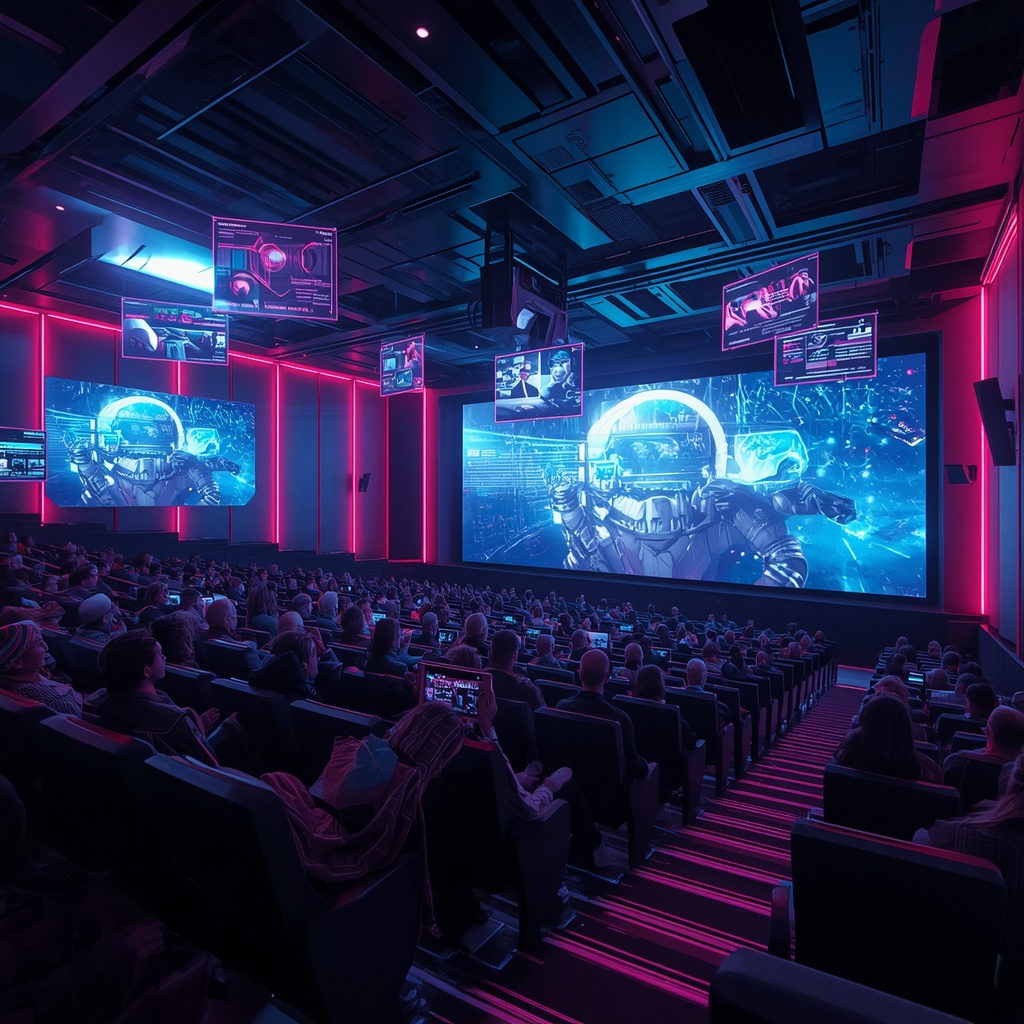
Cinema as a Reflection of Human Experience
One of the greatest strengths of cinema is its ability to reflect real life while also expanding the boundaries of imagination. Through film, audiences experience stories of love, friendship, courage, sacrifice, ambition, and hope. Movies also explore difficult subjects such as conflict, injustice, loss, and personal growth, encouraging viewers to think critically about the world.
Because cinema captures emotions so effectively, it creates lasting memories that often stay with audiences long after the final scene. A powerful performance, an unforgettable soundtrack, or a meaningful ending can leave an impact that lasts for years.
The Evolution of Filmmaking
The journey of cinema has been marked by constant innovation. Silent films introduced audiences to the magic of moving images, while the arrival of synchronized sound revolutionized storytelling. Color cinematography brought new artistic possibilities, and advances in camera technology allowed filmmakers to capture increasingly complex and beautiful visuals.
The digital revolution further transformed filmmaking by replacing traditional film with digital cameras and computer-based editing. Modern productions now use advanced visual effects, motion capture technology, and virtual production techniques to create worlds that once seemed impossible.
Although technology continues to evolve, the purpose of cinema remains unchanged: to tell compelling stories that connect with audiences.
The Importance of Original Stories
Every memorable film begins with an original idea.
Screenwriters spend months or even years developing stories that entertain while exploring meaningful themes. Strong storytelling introduces believable characters, engaging conflicts, emotional development, and satisfying conclusions.
Audiences appreciate films that offer fresh perspectives, surprising narratives, and authentic emotional experiences. Original storytelling remains one of the most valuable qualities in modern cinema.
The Director’s Creative Vision
Directors are responsible for transforming written stories into visual experiences.
They guide actors, collaborate with cinematographers, oversee production design, and make creative decisions regarding pacing, tone, and style. Every scene reflects countless artistic choices that contribute to the film’s overall identity.
Many of history’s most respected filmmakers are recognized not only for technical excellence but also for their unique storytelling approaches and visual signatures.
Building Cinematic Worlds
Creating believable cinematic worlds requires careful attention to detail.
Production designers develop realistic settings, costume designers create clothing that reflects each character’s personality and historical period, while makeup artists and visual effects teams contribute to the authenticity of every scene.
Whether portraying an ancient civilization, a modern city, or a distant galaxy, every environment must support the story and immerse audiences in its world.
Cinematography: More Than Beautiful Images
Great cinematography does more than produce attractive visuals.
Lighting, composition, movement, and color all serve the story by influencing mood and emotion. A quiet close-up can reveal vulnerability, while a sweeping landscape can communicate freedom or isolation.
The relationship between cinematography and storytelling demonstrates that every visual decision has narrative significance.
Film Editing and Story Structure
Editors shape the final version of every movie.
They carefully select performances, arrange scenes, improve pacing, and ensure continuity throughout the narrative. Effective editing creates rhythm, builds suspense, and allows emotional moments to unfold naturally.
Without thoughtful editing, even the strongest screenplay may struggle to maintain audience engagement.
Music That Enhances Emotion
Music is often described as the emotional voice of cinema.
An inspiring orchestral score can elevate dramatic scenes, while subtle melodies reinforce moments of reflection or romance. Action sequences become more exciting through energetic compositions, and suspenseful music increases tension before important events.
Combined with realistic sound design, music transforms visual storytelling into a fully immersive experience.
Global Cinema and Cultural Exchange
Cinema allows audiences to experience cultures beyond their own.
International films introduce viewers to different traditions, languages, customs, and historical perspectives. This cultural exchange promotes understanding while celebrating the diversity of human experiences.
Film festivals, streaming services, and international collaborations have made global cinema more accessible than ever before, enabling audiences to discover remarkable stories from every region of the world.
Independent Cinema and Creative Freedom
Independent filmmakers continue to play a significant role in the evolution of the film industry.
Working with smaller budgets often encourages creative problem-solving and original storytelling. Independent productions frequently explore social issues, personal experiences, and experimental filmmaking techniques that differ from mainstream commercial cinema.
Many award-winning films began as independent projects before reaching international audiences.
Technology and the Future of Movies
Emerging technologies continue to expand the possibilities of filmmaking.
Artificial intelligence assists with production planning, editing, and visual effects. Virtual production environments combine physical sets with digital backgrounds, while high-resolution cameras capture extraordinary levels of detail.
Streaming platforms have also changed how audiences discover films, providing immediate access to productions from around the world.
Despite these innovations, successful movies continue to depend on meaningful stories, memorable characters, and emotional authenticity rather than technology alone.
Why Cinema Will Always Matter
Movies create shared experiences that connect people across generations and cultures.
Families gather to enjoy animated adventures, friends discuss the latest thrillers, and film enthusiasts analyze classic masterpieces decades after their release. Cinema preserves history, celebrates creativity, and encourages empathy by allowing audiences to see life through different perspectives.
This ability to unite people through storytelling ensures that cinema remains one of the world’s most influential art forms.
Conclusion
Cinema has grown from simple moving images into a global industry that influences culture, education, technology, and entertainment. Every film represents the combined efforts of writers, directors, actors, musicians, designers, editors, and countless other creative professionals working together to tell meaningful stories.
As filmmaking continues to evolve, audiences will always seek movies that entertain, inspire, and encourage reflection. While new technologies will undoubtedly shape the future of cinema, the timeless power of storytelling will remain at its heart, ensuring that the magic of movies continues to captivate audiences for generations to come.