
Anime is widely recognized not only for its distinctive visual style but also for its exceptional approach to storytelling. Unlike many traditional forms of animation, anime often focuses on deep narrative structure, emotional development, and long-term character growth. This combination of artistry and storytelling has made anime one of the most influential narrative mediums in modern entertainment.
At its core, anime storytelling is about more than just entertainment. It is a form of creative expression that explores human emotions, philosophical questions, and imaginative worlds in ways that resonate deeply with audiences across the globe.
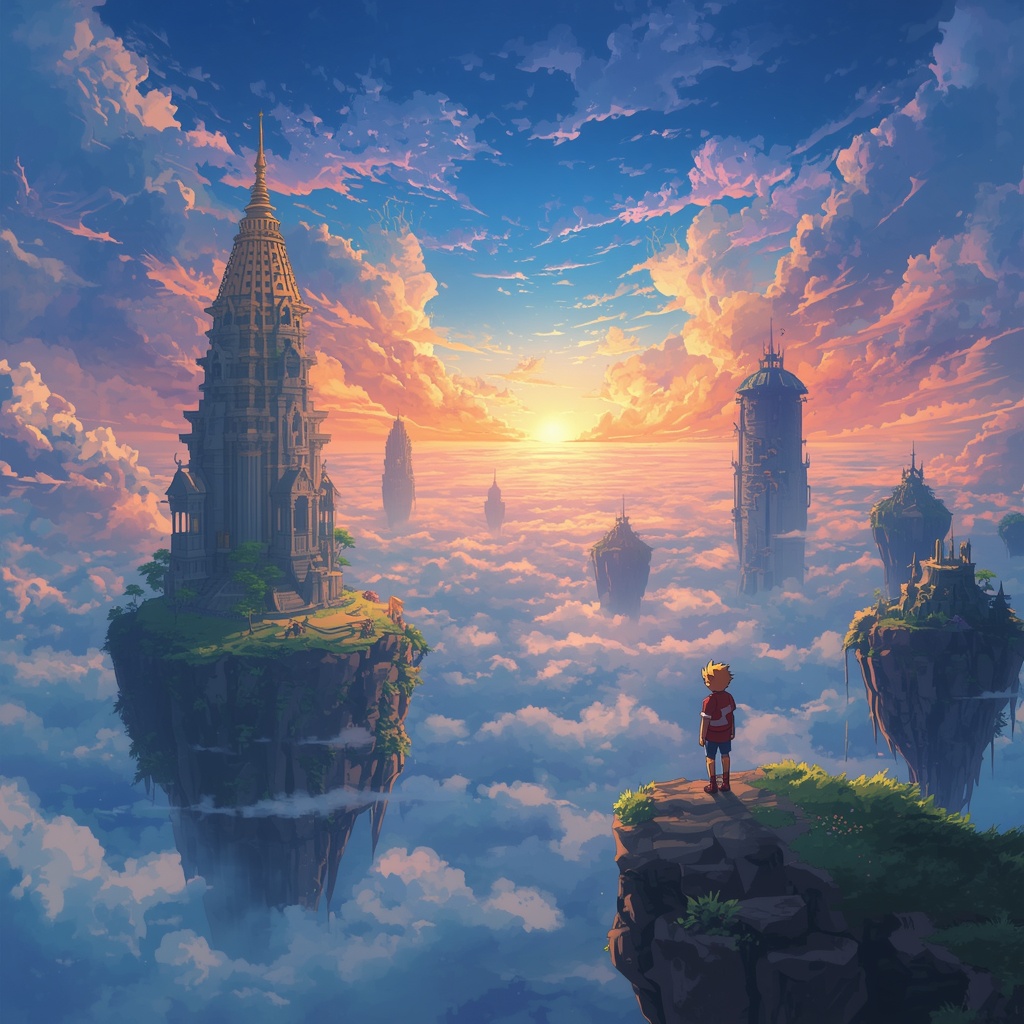
The Foundation of Anime Narratives
Every anime begins with a story concept that defines its world, characters, and central themes.
Writers and creators carefully construct narratives that balance plot progression with emotional depth. Many anime series are adapted from manga, novels, or original scripts, each bringing its own storytelling style and structure.
A strong narrative foundation ensures that the story remains engaging over multiple episodes or even entire seasons. This long-form structure allows for detailed world-building and meaningful character development.
Character-Driven Storytelling
One of the most defining features of anime is its emphasis on character development.
Characters in anime often undergo significant emotional and psychological growth throughout the story. They face challenges, make difficult decisions, and evolve based on their experiences.
This focus on personal transformation allows audiences to form strong emotional connections with characters. Even fictional individuals become relatable through their struggles, ambitions, and relationships.
Supporting characters are also given depth and complexity, contributing to a richer and more immersive narrative experience.
Emotional Expression in Anime
Anime is known for its powerful emotional storytelling.
Through expressive animation techniques, music, and voice acting, anime can convey a wide range of emotions, from joy and excitement to sorrow and despair. Visual exaggeration is often used to emphasize emotional states, making feelings more impactful and memorable.
This heightened emotional expression allows viewers to experience stories in a deeply immersive way, often leaving a lasting impression long after the episode ends.
Narrative Structure and Pacing
Anime storytelling often follows flexible narrative structures that differ from Western storytelling traditions.
Some series follow linear progressions, while others use flashbacks, parallel storylines, or non-linear timelines. This flexibility allows creators to experiment with pacing and narrative complexity.
Long-running anime series often develop slow-burning story arcs that build tension and emotional investment over time. Shorter series or films may focus on concise, self-contained narratives with strong thematic impact.
World-Building and Imagination
Anime is particularly known for its detailed and imaginative world-building.
Creators design entire universes with unique rules, cultures, technologies, and histories. These fictional worlds often serve as backdrops for exploring deeper themes such as identity, power, morality, and survival.
Whether set in futuristic cities, magical kingdoms, or realistic environments, anime worlds are crafted to support storytelling while stimulating the viewer’s imagination.
The Role of Symbolism and Themes
Symbolism plays an important role in anime storytelling.
Many series use visual metaphors, recurring motifs, and thematic imagery to communicate deeper meanings. These symbolic elements often encourage viewers to interpret stories on multiple levels.
Common themes in anime include friendship, sacrifice, destiny, freedom, and self-discovery. These universal ideas help anime resonate with audiences across different cultures and backgrounds.
Music as a Narrative Tool
Music is an essential component of anime storytelling.
Soundtracks are carefully composed to enhance emotional impact and guide audience perception. Opening and ending themes often reflect the tone of the series, while background scores intensify key scenes.
Voice acting also contributes significantly to storytelling, as skilled performers bring characters to life with emotional nuance and authenticity.
Genre Blending in Anime
Anime frequently blends multiple genres within a single story.
A series may combine action with drama, science fiction with romance, or fantasy with psychological themes. This genre flexibility allows for more complex and unpredictable storytelling.
By breaking traditional genre boundaries, anime creates unique narrative experiences that appeal to a wide range of viewers.
The Role of Visual Storytelling
Visual storytelling is one of anime’s strongest artistic tools.
Facial expressions, body language, color schemes, and camera angles all contribute to narrative meaning. Even silence or minimal dialogue can carry powerful emotional weight when combined with strong visuals.
This integration of visual and narrative elements makes anime a highly expressive medium.
Adaptation and Original Works
Anime stories often come from two main sources: adaptations and original productions.
Adaptations from manga or novels allow existing stories to reach wider audiences through animation. These adaptations often expand on source material with additional detail or emotional emphasis.
Original anime productions, on the other hand, give creators complete freedom to develop unique worlds and narratives without constraints.
Both approaches contribute to the diversity and richness of anime storytelling.
The Evolution of Storytelling Techniques
Anime storytelling has evolved significantly over time.
Early anime often focused on simpler narratives, while modern productions explore complex themes and sophisticated character arcs. Advances in animation technology have also allowed for more dynamic storytelling techniques, including cinematic visuals and experimental structures.
This evolution continues as creators push the boundaries of what anime can achieve as a storytelling medium.
Audience Engagement and Interpretation
Anime encourages active audience engagement.
Viewers often analyze episodes, interpret symbolism, and discuss theories within fan communities. This participatory culture enhances the storytelling experience by allowing audiences to become part of the narrative conversation.
Different interpretations of the same story often coexist, reflecting the depth and complexity of anime narratives.
The Future of Anime Storytelling
The future of anime storytelling is expected to become even more diverse and innovative.
New technologies such as digital animation tools, interactive media, and virtual reality may open new possibilities for narrative expression. Global collaboration will also introduce new perspectives and storytelling styles.
Despite these changes, the core principles of anime storytelling—emotion, character development, and imagination—will remain unchanged.
Conclusion
Anime storytelling is a powerful blend of emotion, creativity, and narrative structure. It combines visual art, music, and writing to create immersive experiences that resonate deeply with audiences around the world.
Through its focus on character growth, emotional expression, and imaginative worlds, anime continues to redefine what storytelling can achieve.
As the medium evolves, it will continue to inspire new generations of creators and viewers, reinforcing its place as one of the most expressive and influential forms of modern storytelling.