
Theatre is one of the most powerful and intimate forms of storytelling ever created. Unlike recorded media, theatre exists only in the moment it is performed. Each show is a unique event shaped by the energy of the actors, the atmosphere of the venue, and the reactions of the audience. This immediacy gives theatre a sense of magic that has captivated human beings for thousands of years.
Even in today’s digital age, where films and streaming platforms dominate entertainment, theatre continues to thrive. It offers something that screens cannot fully replicate: a shared human experience happening in real time, where performers and audiences breathe the same air and live the same story together.
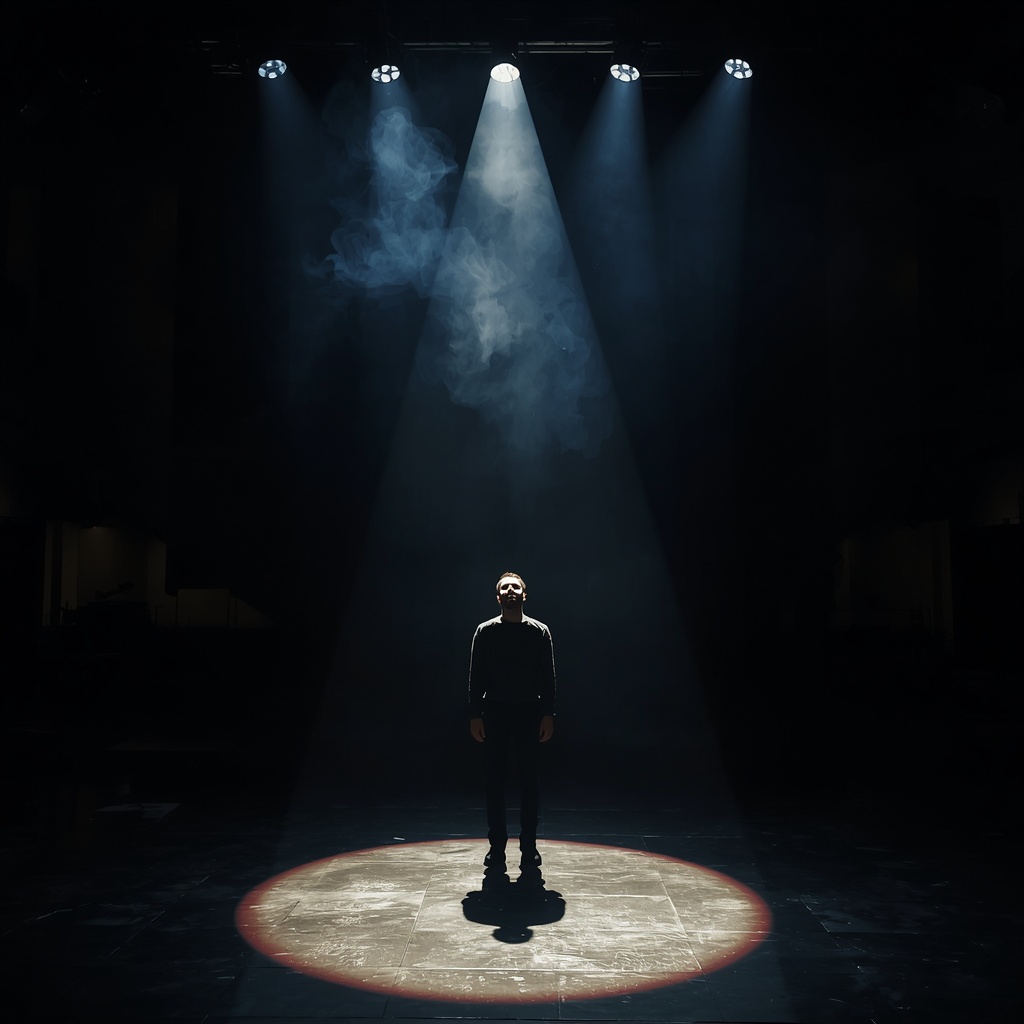
The Ancient Origins of Performance
The roots of theatre stretch back to ancient civilizations where storytelling was an essential part of cultural life. Early performances were often tied to religious ceremonies, seasonal festivals, and communal gatherings. These events brought people together to celebrate myths, heroes, and moral lessons through dramatic expression.
Over time, these early forms of storytelling evolved into structured plays with characters, dialogue, and staged action. Different cultures developed their own theatrical traditions, each contributing unique styles that continue to influence modern theatre today.
Theatre as a Living Experience
What distinguishes theatre from other forms of entertainment is its “liveness.”
Every performance unfolds in real time without editing or repetition. This creates a dynamic environment where anything can happen—small improvisations, unexpected reactions, or subtle emotional shifts can all shape the experience.
Because of this, no two performances are ever identical. Even when the same script is performed by the same cast, each show carries its own rhythm, intensity, and emotional tone.
The Role of the Playwright
At the heart of every theatrical production is the playwright.
Playwrights craft the story, shape the dialogue, and build the emotional foundation of the performance. Their work explores human experiences, relationships, conflicts, and desires. Whether the subject is personal or political, realistic or symbolic, the playwright provides the structure that guides the entire production.
Great plays endure because they express universal truths about life and humanity.
Directors and Artistic Interpretation
The director brings the playwright’s words to life on stage.
They interpret the script and decide how the story should be visually and emotionally presented. This includes guiding actors, planning stage movements, coordinating lighting and sound, and working with designers to create a cohesive artistic vision.
A director’s interpretation can completely transform how an audience experiences a play, even when the text remains unchanged.
The Power of Stage Acting
Stage actors perform under unique and demanding conditions.
Unlike film actors who can rely on multiple takes, theatre performers must deliver consistent and emotionally authentic performances from beginning to end. They must memorize large amounts of dialogue, maintain character throughout the performance, and adapt to the unpredictable nature of live audiences.
This requires discipline, concentration, and a deep emotional connection to the role.
The result is a performance that feels immediate, raw, and deeply human.
Stage Design: Creating Imaginary Worlds
The stage is more than just a physical space—it is a world created for storytelling.
Set designers build environments that support the narrative, whether realistic or abstract. Lighting designers use color and intensity to shape mood and focus attention. Costume designers express character identity through clothing, while props add detail and authenticity.
Together, these elements transform an empty stage into a fully immersive storytelling environment.
Sound and Music in Theatre
Sound plays a crucial role in enhancing theatrical performances.
Music can heighten emotion, build tension, or create atmosphere. Sound effects help establish realism, while silence can be just as powerful in emphasizing dramatic moments.
In musical theatre, songs become an essential part of storytelling, allowing characters to express emotions that go beyond spoken dialogue.
The Emotional Connection with the Audience
One of the most unique aspects of theatre is the direct connection between performers and audience.
Actors can sense the audience’s reactions in real time—laughter, silence, applause, or emotional responses influence the rhythm of the performance. This interaction creates a feedback loop that makes every show different and alive.
Audiences are not passive observers; they are part of the experience itself.
Theatre as a Reflection of Society
Throughout history, theatre has reflected the values, struggles, and hopes of society.
Playwrights often use the stage to explore important social themes such as justice, identity, inequality, family, and power. By presenting these issues through storytelling, theatre encourages audiences to reflect on their own beliefs and experiences.
This makes theatre not only entertaining but also thought-provoking and socially meaningful.
Education and Personal Growth
Theatre is widely used as a tool for education and personal development.
Students who participate in theatre learn confidence, communication skills, teamwork, empathy, and creativity. They also develop discipline through rehearsals and gain experience working in collaborative environments.
Watching theatre also helps audiences improve critical thinking and emotional understanding by engaging with complex narratives and characters.
Community Theatre and Cultural Life
Community theatre plays an important role in keeping the art form alive and accessible.
It allows people from all backgrounds to participate in creative expression, whether as performers, writers, or technicians. These local productions strengthen community bonds and provide opportunities for artistic growth.
Many professional actors and directors begin their careers in community theatre before moving into larger productions.
Modern Innovations in Theatre
Although theatre is a traditional art form, it continues to evolve with modern technology.
Contemporary productions may include digital projections, advanced lighting systems, automated stage mechanics, and immersive sound design. Some experimental performances even incorporate interactive or multimedia elements to engage audiences in new ways.
However, despite these innovations, the core essence of theatre remains unchanged: live human storytelling.
The Future of Theatre
The future of theatre depends on its ability to adapt while preserving its identity.
New generations of playwrights and directors are exploring contemporary themes, diverse voices, and innovative staging techniques. Digital platforms are also expanding access to performances, allowing global audiences to experience theatre remotely.
Still, the live experience will always remain central to its identity.
Why Theatre Endures
Theatre endures because it offers something deeply human: shared presence.
In a world filled with screens and digital distractions, theatre brings people together in a physical space to experience a story collectively. It fosters empathy, emotional connection, and a sense of community that is increasingly rare in modern life.
This shared experience is what keeps theatre alive across generations.
Conclusion
Theatre is more than entertainment—it is a living tradition that celebrates storytelling, creativity, and human connection. From ancient rituals to modern performances, it has evolved while preserving its essential spirit.
As long as people seek authentic emotional experiences and meaningful stories, theatre will continue to thrive as one of the most powerful and enduring forms of artistic expression in the world.